
Complications & Emergency Management | Clinical Reversal & POM Governance Masterclass

The Educational Philosophy: Establishing Clinical Governance

The Tactical Core: Emergency Response & Reversal Mechanics
Before practitioners advance to complex multi-layer aesthetic procedures, they should establish an uncompromising framework for patient safety and acute crisis management. Course 1 functions as the cornerstone of our professional curriculum, engineered to transform standard clinical knowledge into instinctive emergency execution. We treat complication readiness not as a reactive contingency, but as the primary metric of clinical capability; if a practitioner cannot identify early ischemia or manage vascular compromise, high-level aesthetic delivery is inherently unsafe. By embedding these critical emergency protocols in our courses, we ensure every delegate operates with total technical control, protecting patient welfare and safeguarding their professional registration under demanding clinical conditions.
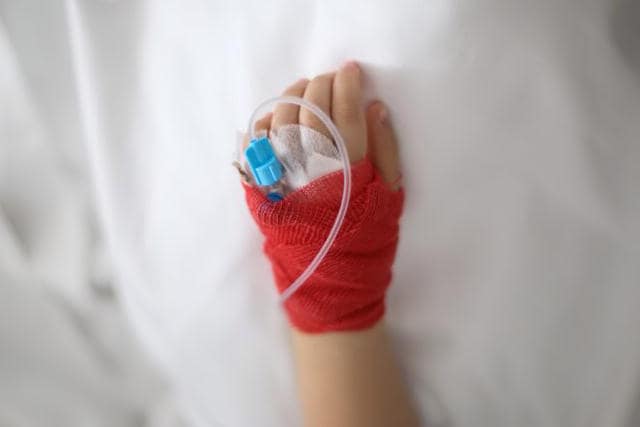
Emergency management clinical kit and vascular complications training material

Module 1.1: Vascular Occlusions & Reversal Protocols Masterclass

Module Overview & Scope of Practice
This intensive module establishes acute diagnostic frameworks for identifying and reversing intra-arterial filler embolisms and venous compressions.

Target Delegate Eligibility: GMC Registered Medical Practitioners, NMC Registered Nurses/Midwives, GDC Registered Dentists.

Core Competencies: Capillary refill time (CRT) testing, ischemic tissue identification, ultrasound-assisted occlusion localization, and high-dose enzymatic breakdown.
Lead Instructor & Clinical Directorship
Directed by Nicola Wookey, Bsc, Msc Derm, Medical Director and Independent Nurse Prescriber. Drawing from over a decade of clinical experience and specialist dermatological practice, this module grounds emergency response in physical vascular mechanics rather than theoretical guesswork.
Technical Syllabus & Clinical Protocols
Anatomical Mapping & Danger Zones: Deep breakdown of the facial, angular, supratrochlear, and superior labial arterial pathways.

Pharmacology & Titration Maps: Reconstitution parameters for Hyaluronidase (Hyalase 1500 IU), dosing protocols (pulsed vs. flood techniques), and localized tissue infiltration.

Hands-On Practical Execution: Live simulation of ischemic crisis workflows, needle-depth entry for enzymatic dispersal, and warm-compress hyperemic induction.
Statutory Compliance & Legal Frameworks
Covers emergency POM holding requirements under Medicines and Healthcare products Regulatory Agency (MHRA) guidelines and insurance notification triggers for adverse vascular events.
Post-Course Advisory & Continuous Mentorship
Delegates gain direct 1-on-1 emergency access to our clinical advisory network for real-time guidance during active occlusion events.
Module Investment & Enrolment Verification
Tuition: £1100 (Includes emergency kit compounding templates)

Module 1.2: Non-Vascular Adverse Events Masterclass

Module Overview & Scope of Practice
Advanced diagnostic methodologies for identifying, staging, and resolving delayed-onset complications, immune responses, and infectious pathologies.

Target Delegate Eligibility: GMC/NMC/GDC Registered Professionals.

Core Competencies: Differential diagnosis between Type I/IV hypersensitivity, delayed-onset nodules, low-grade biofilms, and sterile granulomas.
Lead Instructor & Clinical Directorship
Led by Nicola Wookey, Bsc, Msc Derm, Medical Director and Independent Nurse Prescriber. Content emphasizes dermatological pathology, immune cell activation, and evidence-based pharmacotherapeutic resolution.
Technical Syllabus & Clinical Protocols
Pathology & Biofilm Mechanics: Mechanics of bacterial attachment to HA matrices, quiescent state disruption, and chronic inflammation cycles.

Pharmacological Interventions: Intralesional steroid dosing (Triamcinolone/Kenalog), dual-antibiotic oral regimens (Ciprofloxacin/Doxycycline), and hyaluronidase micro-dosing.

Practical Diagnostic Testing: Aseptic aspiration techniques, tissue culture protocols, and intralesional injection vectoring.
Statutory Compliance & Legal Frameworks
NMC/JCCP compliance directives on off-label prescription management and patient safety monitoring.
Post-Course Advisory & Continuous Mentorship
Direct case review support for diagnosing complex or non-responsive inflammatory nodules.
Module Investment & Enrolment Verification
Tuition: £950

Module 1.3: Emergency Kit Governance & POM Sourcing

Module Overview & Scope of Practice
The definitive blueprint for assembling, maintaining, and legally managing a compliant medical emergency crash kit within a UK clinic setting.

Target Delegate Eligibility: Registered Healthcare Professionals establishing independent or prescribable practice.

Core Competencies: Prescription Only Medicine (POM) procurement, emergency kit compounding, and drug shelf-life management.
Lead Instructor & Clinical Directorship
Under the directorship of Nicola Wookey, Bsc, Msc Derm, Medical Director and Independent Nurse Prescriber, ensuring total alignment with UK pharmacy laws and NMC/GMC prescribing mandates.
Technical Syllabus & Clinical Protocols
Kit Compounding Requirements: Anaphylaxis management (Epinephrine 1:1000), oral/injectable corticosteroids, H1/H2 antihistamines, and topical vasodilators (Nitroglycerin paste).

Storage & Temperature Protocols: Cold-chain monitoring, controlled drug storage, and emergency access workflows.

Clinical Execution Drills: Anaphylactic shock management, auto-injector deployment, and airway maintenance.
Statutory Compliance & Legal Frameworks
Human Medicines Regulations 2012 compliance, wholesale dealer license (WDL) boundaries, and legal stocking frameworks for non-prescribing delegates under standing orders.
Post-Course Advisory & Continuous Mentorship
Annual audit templates for emergency kit expiration tracking and supplier verification lists.
Module Investment & Enrolment Verification
Tuition: £850

Module 1.4: Medicolegal & Crisis Communication

Module Overview & Scope of Practice
A comprehensive guide to legally protective documentation, informed consent protocols, and professional dispute resolution during adverse clinical outcomes.

Target Delegate Eligibility: Medical Aesthetic Clinic Directors and Injectors.

Core Competencies: Defensive clinical charting, high-risk consent drafting, and indemnity insurance claim management.
Lead Instructor & Clinical Directorship
Developed with expert clinical risk consultants and led by Nicola Wookey, Bsc, Msc Derm, Medical Director and Independent Nurse Prescriber to safeguard medical registrations and professional standing.
Technical Syllabus & Clinical Protocols
Documentation Mechanics: Standardized photographic protocols (polarized lighting, fixed angles), standardized clinical note templates, and emergency logging.

Consent Architecture: Drafting explicit warnings for blindness, necrosis, and asymmetry; managing "material risk" legal standards (Montgomery compliance).

Crisis Protocols: De-escalation strategies, patient communication during active reversal, and insurer notification triggers.
Statutory Compliance & Legal Frameworks
GDPR/Caldicott Guardian compliance for clinical photography and insurance policy requirement integration.
Post-Course Advisory & Continuous Mentorship
Access to pre-formatted legal consent forms and adverse-event correspondence templates.
Module Investment & Enrolment Verification
Tuition: £900

Eligibility Assessment

The Clinical Suitability Audit is a formal credential and experience review conducted by our medical faculty, required to verify your scope of practice, professional registration, and entry eligibility before cohort placement. The audit fee is £250; while non-refundable, this full amount is redeemable against your enrolled masterclass or full-course bundle. In the event that our faculty determines your current registration status or clinical background is unsuitable for a specific advanced protocol, your audit fee will be refunded in full. Unclaimed audit credits expire after twelve months.
To accommodate practicing healthcare professionals, suitability audits are conducted via secure remote consultation or face-to-face at our Essex clinic in Ongar.

Masterclass Overview

Click below ↓ to review our complete schedule of private masterclasses and small-group clinical mentorship cohorts at our Private Essex Clinic.

Unpack The Sessions

If you'd like a technical breakdown of our structured masterclass curricula and how they align with statutory clinical standards, you can visit our primary Aesthetic Training Hub. It provides a detailed overview of our advanced module architecture, our hands-on clinical mentoring framework, and our practitioner-led approach to complication governance and procedural safety.

Click Here to explore our full curriculum directory now, or just...

Clinical Oversight & Training

Educational standards at Symmetry Aesthetics are governed by strict medical protocols to ensure complete compliance across all Complications Management modules. Led by Nicola Wookey (ANP, MSc Dermatology, Independent Nurse Prescriber), our curriculum moves past theoretical scenarios to deliver real-world emergency response training. We align every teaching unit with current GMC, NMC, and JCCP frameworks, ensuring that risk management protocols meet the highest standards of clinical governance and patient safety.
This masterclass delivers intensive, hands-on drills in acute ischemic management and adverse event resolution. Before enrolment, every candidate undergoes a mandatory credential assessment to verify active UK medical registration. Delegates participate in live-simulated vascular occlusion scenarios, diagnostic capillary refill time (CRT) evaluation, and high-dose Hyaluronidase (Hyalase) titration exercises. The practical coursework equips practitioners with the immediate technical capability required to identify arterial compromise and execute rapid, safe reversal protocols.
While mastering acute vascular protocols provides immediate clinical confidence, the core objective of Course 1 is establishing defensive medical practice. Systematically applying standardized diagnostic charting, proper emergency kit compounding, and structured consent frameworks protects both patient welfare and professional registration. Across all four sub-modules, from vascular embolisms to delayed-onset nodules, practitioners build a robust clinical safety net that satisfies insurer mandates and elevates operational standards.
After completing the module, delegates receive complete operational templates, including emergency stock audit logs, off-label prescribing agreements, and crisis consent forms. Symmetry Aesthetics maintains an active clinical support network, offering ongoing 1-on-1 advisory access for practitioners navigating complex post-treatment complications or requiring second opinions on patient management. Our commitment to your practice extends well beyond the classroom, safeguarding your professional standing throughout your career.
How We Work

Our Training

At Symmetry Aesthetics, training begins with a comprehensive credential audit to verify professional registration, prescribing status, and clinical scope of practice. The masterclass then progresses through four core clinical modules: acute vascular occlusion reversal, non-vascular adverse event management (including delayed-onset nodules and infection protocols), emergency medicine protocols and stock assembly, and emergency crisis communication. Delegates utilize high-fidelity facial vascular simulation models to master emergency injection depth, needle placement, and high-dose Hyaluronidase titration. Following completion, practitioners receive ongoing clinical governance support, audited emergency protocols, and direct faculty mentorship to maintain safety standards across their practice.
What is Complications Management?
Complications Management establishes the clinical safety framework required to prepare medical practitioners for acute ischemic events and adverse soft-tissue reactions. Utilizing evidence-based reversal protocols and capillary refill diagnostics, this masterclass details the pathology and management of intra-arterial occlusion, delayed-onset inflammatory nodules, and acute systemic anaphylaxis. By embedding specialized Hyaluronidase titration maps and emergency protocols directly into clinical workflows, the curriculum protects patient welfare, safeguards professional registration, and instills complete technical competence during acute clinical crises.
How do we work?
The Complications Management masterclass systematically pairs high-risk facial vascular mapping with emergency simulation mechanics. Training begins with anatomical risk analysis, detailing high-consequence arterial pathways (including the facial, angular, and supratrochlear arteries) to prevent inadvertent intravascular delivery. Delegates then master emergency pharmaceutical algorithms, learning high-dose pulse Hyaluronidase titration maps, vascular perfusion checks, and adjunct therapy protocols to resolve acute tissue ischemia rapidly. The curriculum concludes with critical governance frameworks, equipping practitioners with mandatory incident logging, duty of candor documentation, and emergency patient referral pathways.
How can you help me?
Symmetry Aesthetics provides specialized Complications Management masterclasses designed to mitigate clinical risk and establish rigorous emergency governance. Led by experienced medical educators, the curriculum focuses on vascular anatomy, capillary refill diagnostics, and high-dose reversal algorithms to ensure rapid, decisive intervention during acute ischemic events. Whether addressing perioral vascular compromise, upper-face neuromuscular complications, or scaling high-volume dermal filler practice, our emergency protocols provide the technical control required to protect patient welfare. Every masterclass includes emergency referral documentation frameworks and ongoing faculty mentorship to support safe, audited clinical practice.
CLINICAL SAFETY & EMERGENCY GOVERNANCE (FAQS)

Emergency Response Insight

The decision to prioritize Course 1 is established during our initial delegate credential audit. If your practice routinely delivers high-volume dermal filler procedures or operates within high-risk vascular zones (such as the glabella, piriform fossa, or tear troughs), establishing immediate emergency readiness is mandatory. Without mastering vascular occlusion identification and enzymatic titration, introducing advanced aesthetic modalities increases practice liability. By securing your clinical governance foundation first, you ensure your practice operates within a protected framework, significantly mitigating the financial and legal risks of adverse patient events.
Yes, the clinical protocols diverge fundamentally based on the timeline and underlying pathology. For an acute vascular occlusion, the objective is immediate enzymatic reperfusion via high-dose Hyaluronidase titration and mechanical vasodilation to restore tissue perfusion within the critical ischemic window. For delayed-onset nodules or non-vascular inflammatory reactions, the focus shifts to differential diagnosis (granuloma vs. biofilm), diagnostic ultrasound mapping, and targeted anti-inflammatory or antimicrobial regimes. Tailoring the clinical algorithm to the precise onset mechanism ensures rapid resolution while protecting your legal scope of practice.
The mechanism relies on hydrolyzing the extracellular matrix components of hyaluronic acid gels to rapidly clear vascular compression or intravascular emboli. Hyaluronidase cleaves the glycosidic bonds within the cross-linked HA matrix, reducing complex polymers into soluble oligosaccharides within minutes. By deploying ultrasound-guided micro-injections directly into or adjacent to the compromised vessel, you accelerate enzymatic breakdown and restore microvascular capillary refill. This targeted enzymatic action, combined with warm compression and systemic vasodilation, rapidly reverses localized ischemia and prevents ischemic necrosis.
The window of opportunity for vascular reversal is defined by tissue hypoxia thresholds. If intervention is delayed past the initial tissue blanching and livedo reticularis phase, microvascular thrombosis and tissue necrosis become irreversible. By executing standardized reversal protocols within the first 4 to 12 hours of symptom onset, you intervene while the surrounding capillary bed remains viable and skin flap integrity is preserved. Immediate enzymatic intervention remains the single most important factor in preventing permanent scar tissue formation and safeguarding patient outcomes.

Masterclass Pricing

Reserve Your Place

Contact our clinic to audit your professional registration, review emergency protocol prerequisites, and lock in your seat for the upcoming high-risk crisis cohort.

book@symmetry-aesthetics.com

info@symmetry-aesthetics.com

Unit 11-12, Berwick Farm, Berwick Lane, Stanford Rivers, Ongar, Epping Forest, Essex, CM5 9PY

Follow our Social Media
Connect discreetly via WhatsApp